The Small Ritual That Makes a Group Feel Like Yours
A small group ritual can make participation easier to read and belonging easier to feel, without asking everyone to speak, lead or contribute alike.
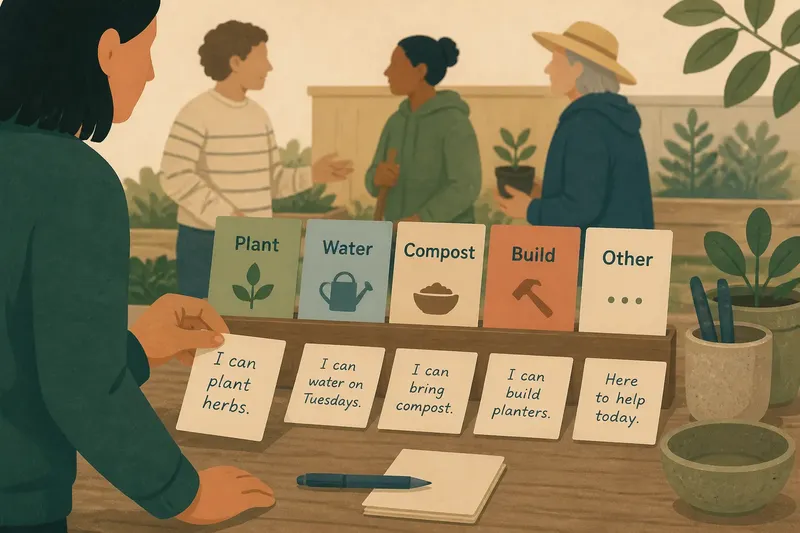
How can a group feel like yours if you do not want to speak at every meeting? A small group ritual can make participation visible in more than one way. A shared opening, check-in or closing gives people a familiar place to enter, whether they arrive ready to talk or prefer to listen.
The point is not to make a room cheerful on cue. It is to create a repeatable signal: you are expected here, and there is more than one way to take part. Like a doormat, a ritual marks an entrance without demanding that everyone cross the threshold at the same pace.
Group rituals and belonging
A ritual is a small action repeated with shared meaning. It might be a book group taking turns choosing a first question, a neighbourhood team naming what needs attention, or a remote meeting beginning with a quiet written check-in. The action can be simple; consistency is what makes it recognisable.
That recognisability helps make participation legible. A person who passes during a spoken check-in may still contribute by adding a note, choosing a prompt or listening closely. Others can see that quiet is an accepted mode, not evidence that someone has failed to join.
Rituals also give a group a common point of reference. Instead of guessing how to enter a conversation already under way, a newcomer can follow a familiar pattern. For established members, the repeated moment can make room for changing energy: the same person need not lead or speak each time.
A week of small signals
Try shaping a new ritual over a week rather than announcing a grand tradition. Keep it brief enough to fit the group’s ordinary gathering, and treat the first version as an invitation to adjust.
- Before the first gathering: Choose a natural pause, such as the opening of a shared meal or volunteer shift. If the action fits the group’s purpose, try it; if it feels imported or performative, choose a simpler one.
- At the first gathering: Offer two ways to join, such as saying one word or writing it on a card. If members can choose freely, repeat those options; if either route creates pressure, make passing equally ordinary.
- Between gatherings: Ask what felt easy or awkward, privately or in a shared channel. If feedback identifies a barrier, adjust that feature; if not, keep the ritual steady while inviting further comments.
- At the second gathering: Repeat the same action and make one small change only if feedback points to a clear obstacle. If the adjustment helps people enter, keep it; if it adds confusion, return to the simpler version.
- At the next gathering: Notice whether people can take part without individual prompting. If they can, leave the invitation as it is; if the ritual feels like an obligation, shorten it or move it to a more fitting moment.
- After the gathering: Check whether the ritual leaves enough time and space for the group’s main purpose. If it supports arrival without crowding out the work, continue; if it competes with the work, trim or replace it.
Say a neighbourhood gardening group has members who dislike speaking in a circle. Imagine the organiser begins with a table of task cards and invites each person to choose one, write a note about what they can offer, or pass. The organiser then places the notes beside the relevant tasks and starts the gardening session. The expected observable result is that members can signal a contribution before conversation begins, while anyone who wants to talk still has room to do so.
Flexible ways to join
Choice matters more than novelty. A group can offer several forms of participation without turning the ritual into a menu that needs explaining: speak, write, take a practical role or simply be present. Make those options visible from the start, then avoid treating one as the proper version.
Keep roles rotating when the ritual involves a host or facilitator. One person might choose the opening question; another might arrange chairs or gather written notes. Small roles can be meaningful without requiring a public speech, and rotation prevents ownership from settling on the most confident member.
Pay attention to access as well as preference. A spoken prompt may exclude someone joining remotely, while a written response may not suit everyone. Offer practical alternatives, such as speaking, using chat or passing. If the group includes people with different language needs, use short prompts and leave a moment to think before replies begin.
Questions about group rituals?
How long should a group ritual take?
Keep it short enough that people can take part without losing sight of the gathering’s main purpose. If the opening repeatedly crowds out the work, trim the ritual rather than rushing people through their responses.
What if someone prefers not to join?
Let passing remain a real option, without asking for a reason. A ritual supports belonging when it offers a doorway, not a test of loyalty.
How can newcomers learn the ritual?
Explain the action in one plain sentence and show the available ways to participate. A familiar member can model it, but newcomers should not be singled out to perform it.
When should a group change its ritual?
Revisit it when the group’s purpose, access needs or membership shifts, or when the action starts to feel compulsory. Ask what the ritual makes easier and harder, then adjust one feature at a time.
Keep the meaning shared
A ritual should belong to the group, not just to the person who started it. Invite members to suggest a different prompt or role, and explain why the action matters in concrete terms: it gives everyone a clear way to arrive, contribute or pass. That explanation keeps repetition from becoming an empty routine.
For a small group ritual to support belonging, look for a simple sign: people know how to enter without first proving they are outgoing, useful or fully ready. Keep the action modest, repeat it long enough to become familiar, and leave room for it to change as the group changes. The feeling of “ours” can begin with that small, shared permission.